Pedagogy
How I Teach
In the classroom, I demonstrate how a material behaves, give students a clear first process to practice, and then watch their work closely enough to help them identify the next useful step. Feedback is specific to what is visible in the work (e.g.: measurement, construction, and craftsmanship). With help, students learn to make those decisions with more independence.
How Studio Practice Shapes My Teaching
My professional practice involves evaluating materials, organizing sequences, recording procedures, reassessing choices, and effectively communicating completed work. These practices similarly influence my lesson design. Students are encouraged to view art creation as a multifaceted process encompassing preparation, experimentation, reflection, critique, and ongoing practice. This pedagogical approach is significant because it promotes the development of critical thinking and problem-solving abilities, which are vital not only within the realm of art but across various life domains. By prioritizing the creative process rather than solely focusing on the final outcome, students cultivate an appreciation for persistence, flexibility, and self-evaluation. Such a perspective enhances deeper engagement, fosters creativity, and builds confidence, empowering learners to take responsibility for their development and become more resilient when confronting challenges. Ultimately, this method equips students to tackle complex tasks in a systematic and thoughtful manner, both within academic settings and beyond.
Teaching in Practice
These images show demonstrations, material preparation, and guided studio processes used in community arts instruction.
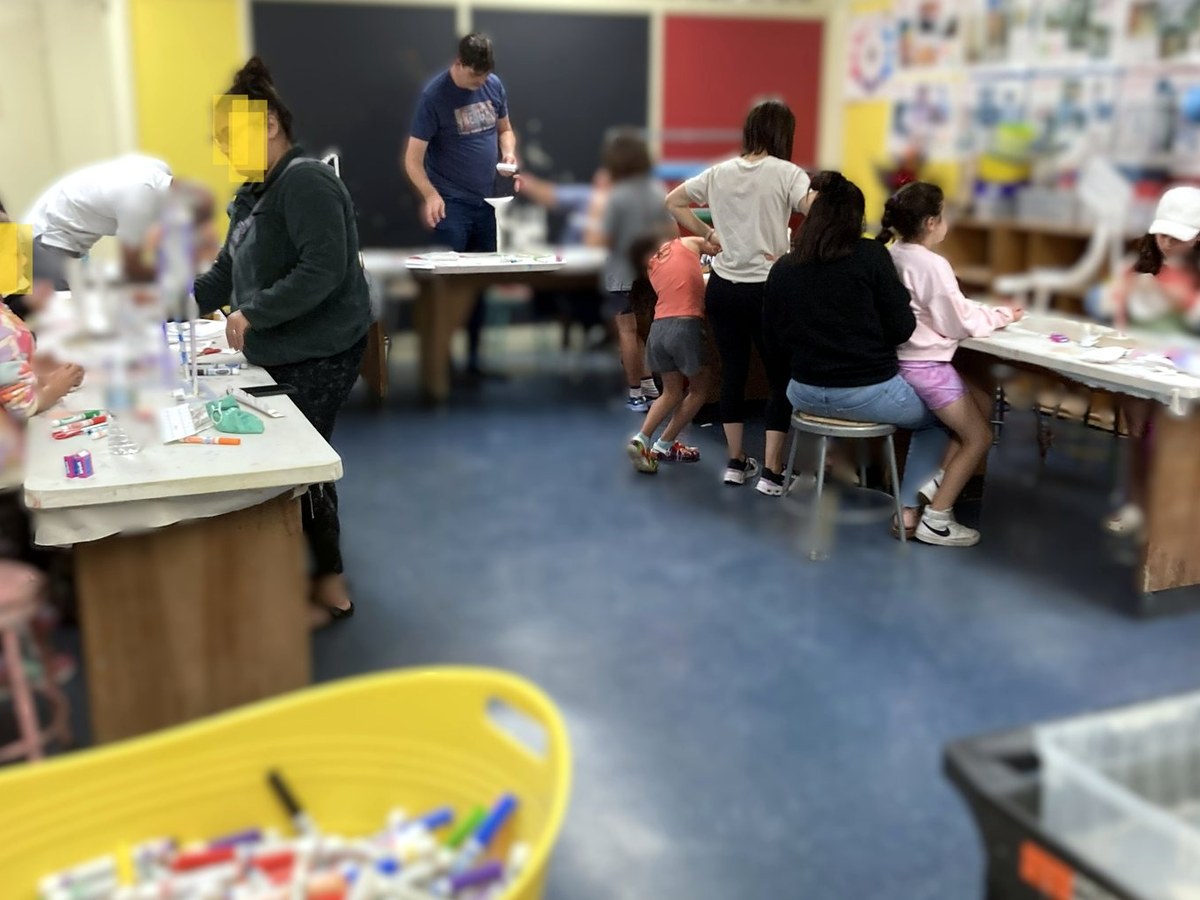
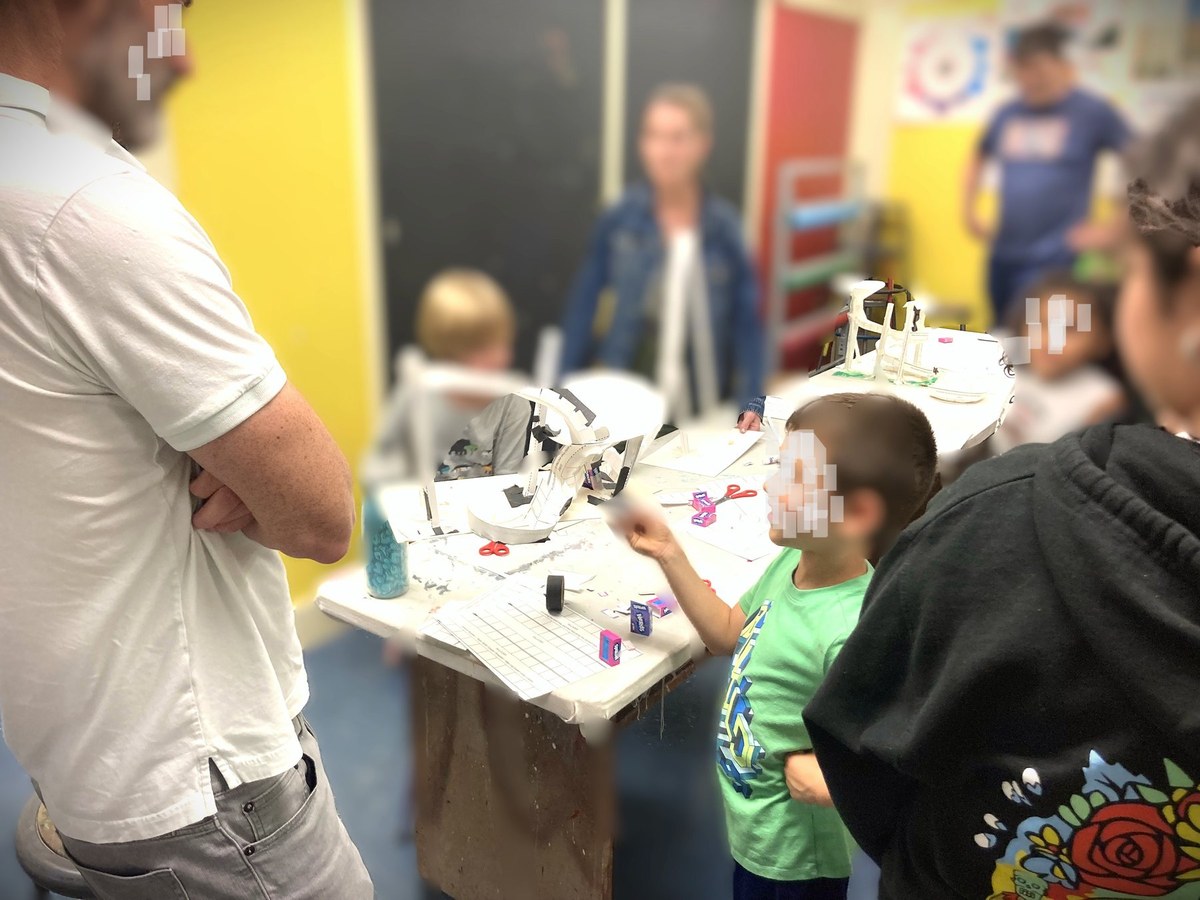
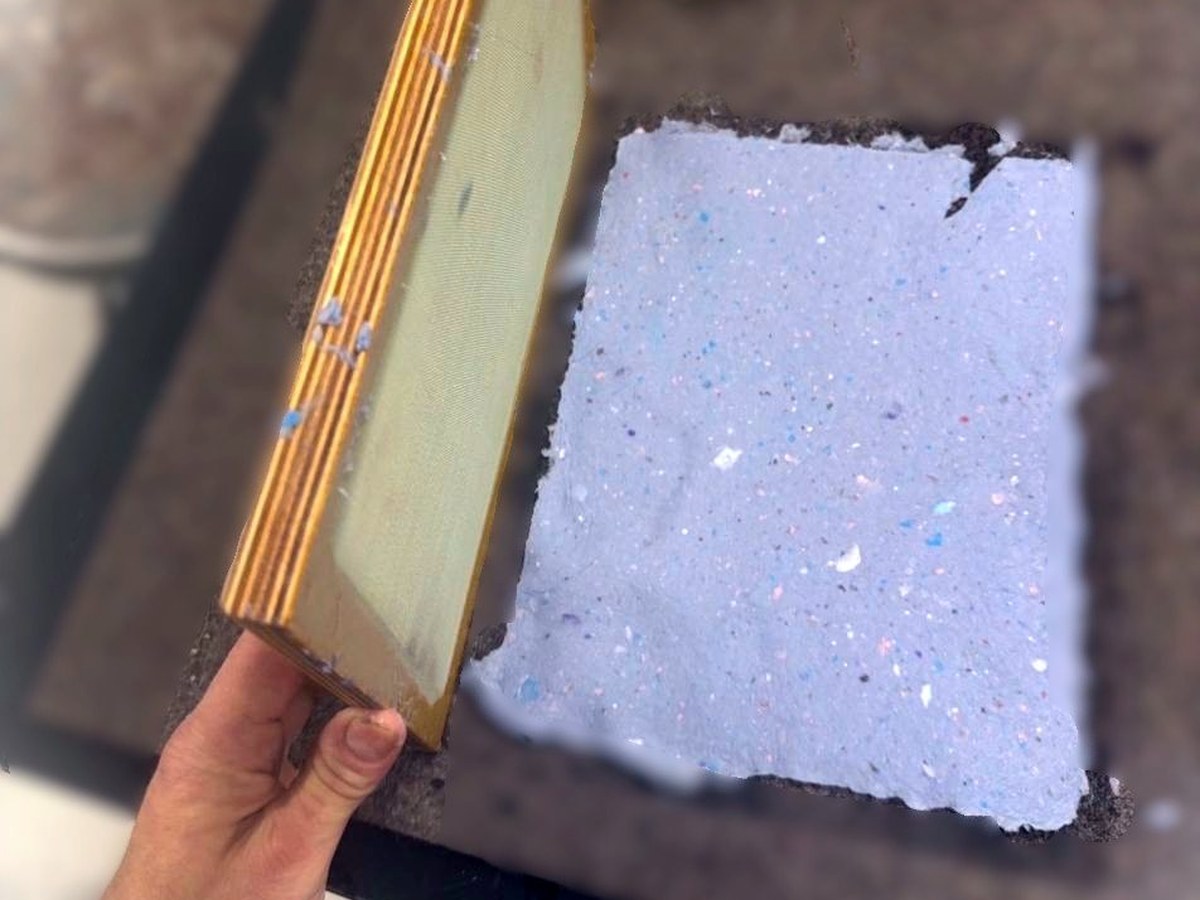
Instruction & Demonstration
Students work best when they know what they are learning, why it matters, and what successful work requires. I organize instruction so students can see the process, practice each step, and apply it independently. This is important because when students understand the purpose and expectations of their learning, they become more engaged and motivated. Knowing why it matters helps them connect the material to real-life contexts, making learning more meaningful. Clear guidance on what successful work entails ensures they can track their progress and build confidence as they master each step.
A demonstration is important because it shows not just what to do, but why each step matters. By explaining how to do something while simultaneously reproducing the action, the instructor better assists students understanding of the purpose behind each step. This deeper understanding enables students to apply the techniques more effectively and confidently. To support this learning, I employ multimodal devices, visual directions, sequenced plans, project boards, and posted production stages, to clarify where students are in the process and what they need to focus on next, making the entire workflow more manageable and meaningful.
Studio Classroom
An effectively managed art room provides students with the necessary structure to work safely while allowing them the freedom to make choices. Established routines for handling materials, tools, movement, cleanup, and discussions help protect studio time and keep students attentive. To achieve this, I implement specific measures such as creating designated stations for various materials and tools, clearly labelled with instructions; setting up a system for checking out and returning supplies to maintain order; developing a visual timetable that outlines project stages and deadlines to support student progress; conducting safety demonstrations and frequent reminders about proper tool use; arranging the classroom layout to reduce congestion and ensure easy access; assigning students particular cleanup duties at the end of each session to keep the workspace tidy; encouraging the use of a signal system for requesting help to prevent interruptions; and leading regular group discussions to exchange ideas and resolve issues. I will consistently uphold these practices to foster habits that encourage a safe, efficient, and creative learning space.
Feedback and Revision
Critique functions as a regular practice within the classroom environment rather than serving as a definitive evaluation. During this process, students observe and articulate their perceptions, justify their choices, pose inquiries, obtain targeted feedback, and determine a constructive subsequent action. This routine encourages ongoing dialogue and reflection, fostering a deeper understanding of their work.
Revision, on the other hand, represents tangible proof of learning and growth. It may involve altering an image, reconstructing a portion of a project, experimenting with different materials, enhancing technical skills, refining conceptual clarity, or addressing and resolving technical issues. Through revision, students demonstrate their ability to apply feedback effectively and engage in continuous improvement, which is essential for their academic and personal development.
Student Growth
Students depart from my classroom equipped with the ability to observe and document visual information accurately, handle tools and materials safely, design and execute multi-step projects, articulate their visual decisions, respond constructively to feedback, and acknowledge their progress through sustained effort. These objectives are crucial as they ensure that students acquire not only technical proficiency but also critical thinking and self-reflective skills essential for individual development. By cultivating careful observation and thorough documentation of visual experiences, students establish a robust foundation for creativity and problem-solving. The responsible and safe use of tools and materials promotes accountability and self-assurance, while the process of planning and completing projects develops perseverance and organizational skills. Articulating visual choices and engaging with feedback enhances communication abilities and receptiveness to growth. Recognizing advancement through continuous effort fosters a growth mindset, encouraging students to further hone their talents beyond the classroom environment. Collectively, these competencies prepare students to interact thoughtfully with society and cultures and to transfer these skills to wider academic and personal domains, rendering these goals both significant and attainable through consistent guidance and practice.